The Ultimate Guide to Airbnb Rentals in Colorado: Short-Term Rental Investing in the Mountains
12/8/20257 min read
Your Guide To STRs In The Colorado Mountains
Whether you’re dreaming of a mountain getaway or looking for your next investment property, this guide has everything you need to know about short-term rental locations in the Colorado Rockies — from neighborhoods and local hotspots to rental potential and pricing.
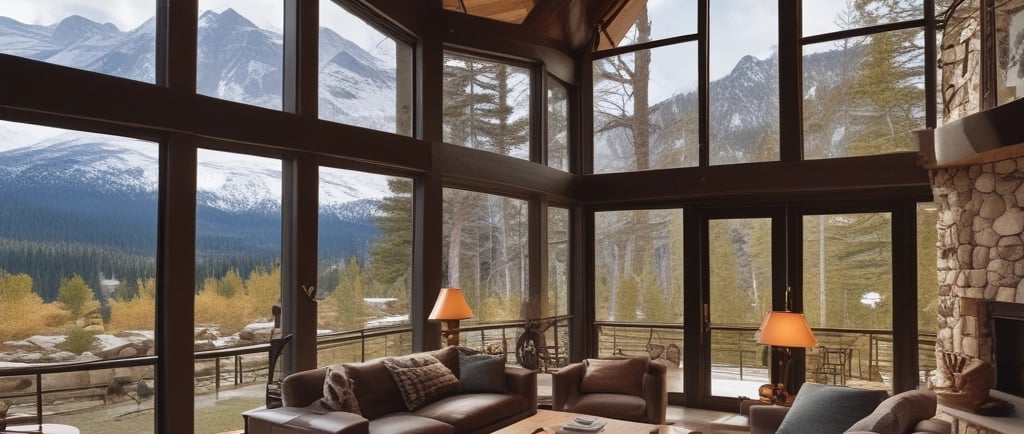

Introduction to Airbnb Rentals in Colorado
The trend of short-term rentals has gained significant traction across the United States, with Colorado emerging as a prominent hub for investors and travelers alike. The stunning mountain landscapes, coupled with an array of outdoor recreational activities, make it an ideal location for Airbnb rentals. This growing popularity has turned many mountain towns into sought-after destinations, attracting both tourists seeking temporary accommodations and investors looking for profitable opportunities.
Investing in Airbnb rentals in Colorado offers a unique set of advantages. Properties located in the picturesque Rocky Mountains not only provide breathtaking views but also grant access to various seasonal attractions, such as skiing in the winter and hiking during the summer. As a result, these properties tend to boast high occupancy rates throughout the year, making them an appealing option for real estate investors. Furthermore, the demand for short-term rentals has been bolstered by Colorado's thriving tourism sector, which draws visitors from across the country and around the globe.
This guide aims to equip potential investors with the essential knowledge and insights necessary for navigating the intricacies of short-term rental investing specifically tailored to the mountainous districts of Colorado. We will delve into a comprehensive analysis of market trends, regulations, and best practices for managing Airbnb rentals effectively. By understanding the unique appeal of mountain properties and following the strategies outlined in this guide, readers will be better positioned to make informed decisions and ultimately succeed in the competitive landscape of short-term rentals.
Top Mountain Towns for Airbnb Investments
When considering short-term rental investments in Colorado, specific mountain towns stand out due to their unique offerings and favorable market conditions. Park County, Teller County, Unincorporated Boulder, and Gilpin County are prime examples of locations that attract visitors year-round, making them ideal for Airbnb investments.
Park County encompasses charming towns like Alma, Bailey, and Fairplay, which are known for their scenic beauty and rich history. The area attracts a diverse demographic, including outdoor enthusiasts and families looking for recreational activities. Its proximity to major hiking trails, ski resorts, and historical sites contributes to a strong demand for short-term rentals. Additionally, Park County's affordability compared to other regions makes it an appealing option for investors seeking rental properties.
Teller County, which includes towns such as Divide, Woodland Park and Cripple Creek, offers a blend of mountain charm and entertainment. The region is popular for its casinos and access to national forests, drawing visitors seeking both adventure and leisure. The local tourism board actively promotes various events and attractions, which further enhances the appeal for short-term rentals. Investors can benefit from a consistent flow of tourists, especially during peak vacation seasons.
Unincorporated Boulder provides a unique investment opportunity due to its proximity to the University of Colorado and vibrant arts scene. This area attracts a younger demographic, including college students, young professionals, and families. The variety of cultural events and outdoor activities, such as hiking at Chautauqua Park, makes it an attractive destination for short-term stays. Consequently, properties in this area tend to have strong booking rates, providing excellent returns on investment.
Lastly, Gilpin County, home to the historic town of Central City and Mountain communities, boasts a rich mining history coupled with modern amenities. Its status as a gaming hub attracts a multitude of visitors, particularly during weekends and holidays. This high influx of tourists enhances the potential for successful short-term rental income, making it a compelling option for investors looking to make their mark in the Colorado Airbnb landscape.
Understanding Local Regulations and Rules
Investing in short-term rentals in Colorado necessitates a thorough understanding of local regulations and rules that govern the rental landscape. Particular counties and municipalities have instituted various zoning laws, licensing requirements, and rental limits that aspiring Airbnb hosts must navigate to operate legally and successfully.
Firstly, zoning laws often determine where short-term rentals can be located. Some residential areas may entirely prohibit short-term rentals, while others may allow them with certain restrictions. It is crucial for property owners to verify whether their location falls within areas designated for short-term rental activities. This will help avoid potential issues with local authorities.
Licensing is another critical component of compliance. Many counties in Colorado require property owners to obtain a specific license to operate a short-term rental. This process may involve submitting an application, paying a fee, and adhering to safety and health regulations, including inspections. Failure to secure the necessary licenses can lead to hefty fines and the possibility of losing the right to operate the rental.
Furthermore, some jurisdictions impose rental limits, restricting the number of nights a property can be rented out short-term per year. These limits are instituted to balance the interests of residents and the growing short-term rental market. For instance, certain areas may limit rentals to a fixed number of days for non-owner-occupied homes. Understanding these parameters is vital for landlords to maximize their investments while ensuring community harmony.
Additional regulations may incorporate rules around noise control, occupancy limits, and parking requirements, all aimed at mitigating the impact of transient guests on local communities. Investors in Colorado’s vibrant short-term rental market must stay informed about these multifaceted regulations to ensure compliance, avoid penalties, and ultimately enhance their profitability.
Maximizing Profitability Through Strategic Property Positioning
Strategic positioning of Airbnb properties significantly influences the profitability of short-term rental investments in Colorado's mountainous regions. Owners can enhance their appeal and ensure optimal year-round bookings by implementing specific strategies that focus on property upgrades, amenities, effective marketing techniques, and seasonal pricing.
First and foremost, property upgrades are essential for attracting potential guests. A well-maintained property with modern furnishings and appealing decor enhances the overall guest experience. Consider investing in energy-efficient appliances and high-quality bedding to promote satisfaction, as positive reviews will often translate into repeat bookings. Additionally, a fresh coat of paint or enhanced landscaping can make a solid first impression, setting the stage for a profitable rental venture.
The provision of amenities can distinguish a property from its competition. In the context of Colorado's mountain setting, offering outdoor-oriented features such as hot tubs, fire pits, or equipment for activities like skiing and biking can significantly enhance a property's attractiveness. Moreover, providing essential amenities, such as Wi-Fi, kitchen supplies, and entertainment options, cater to modern travelers' needs, further boosting occupancy rates.
Effective marketing techniques are critical in positioning an Airbnb property for success. This includes high-quality photography that captures the property’s unique attributes and utilizes platforms such as social media and local tourism websites to reach broader audiences. Implementing a strong SEO strategy to improve visibility on rental platforms will also facilitate higher booking rates.
Lastly, understanding seasonal pricing strategies allows hosts to adjust their rates based on demand, thereby maximizing rental income. During peak tourist seasons, higher prices can reflect the increased interest, while off-peak discounts can attract budget-conscious travelers. By applying these strategies, investors can significantly impact their property's performance, optimizing occupancy rates and ultimately enhancing their profitability in the competitive market of Colorado's short-term rentals.
Tax Benefits and Financial Considerations
Investing in short-term rentals in Colorado presents a valuable opportunity for property owners to capitalize on the growing tourism market while benefiting from several tax advantages. Understanding the tax benefits associated with short-term rental investments is crucial for maximizing returns and minimizing liabilities. One of the primary benefits available to investors is the ability to deduct various expenses associated with the property. Common deductions can include mortgage interest, property taxes, and insurance costs, which can significantly reduce taxable income.
Additionally, short-term rental owners can benefit from deducting expenses directly related to maintaining and operating the rental property. These may encompass utilities, cleaning fees, and advertising costs aimed at attracting potential guests. Keeping detailed records of these expenditures is essential, as they provide transparency during tax filing and enable the investor to leverage as many deductions as possible. Moreover, depending on the use of the property and the number of nights it is rented out, owners might also explore the possibility of taking advantage of the Qualified Business Income deduction, further enhancing their overall tax efficiency.
Another essential consideration for short-term rental investors involves property depreciation. The IRS allows property owners to depreciate their investment over 27.5 years for residential properties, creating an opportunity to offset rental income with depreciation deductions. This non-cash expense can significantly optimize cash flow while reducing overall tax liabilities. However, investors are encouraged to consult with tax professionals knowledgeable in real estate investments to navigate the complexities of depreciation accurately.
Ultimately, understanding and utilizing these tax benefits can enhance an investor’s return on investment while ensuring compliance with local regulations. With careful planning and informed decision-making, short-term rental investors in Colorado can effectively manage their tax obligations while enjoying the financial rewards of their properties.
The Mountain Town Guide
The potential for profitable short-term rental investments in Colorado's mountain towns is immense, making it essential for aspiring investors to equip themselves with comprehensive knowledge. To support you in this endeavor, we are excited to introduce our exclusive lead magnet: The Mountain Town Guide. This guide serves as a resource for anyone interested in navigating the complexities of Airbnb rentals in Colorado.
This guide encompasses a detailed market analysis of various mountain towns, providing you with a clear understanding of rental demand, occupancy rates, and seasonal fluctuations. By detailing these key factors, investors can make well-informed decisions on where to focus their rental investments, ensuring the highest potential returns.
In addition to market analysis, The Mountain Town Guide includes comparative rental data for different properties within the region. This comparison highlights exemplary listings and their performance metrics, allowing you to identify lucrative opportunities and set competitive pricing strategies for your own properties. Furthermore, the guide offers insights into local regulations and compliance requirements essential for operating short-term rentals legally and effectively.
Supplying additional resources, the guide holds valuable information on local amenities, outdoor activities, and community features that appeal to potential renters. Understanding what attracts visitors to these picturesque mountain towns can significantly enhance your marketing strategies and increase your property’s visibility.
We strongly encourage you to download The Mountain Town Guide today to delve deeper into the potential of short-term rental investing in Colorado’s stunning locales. Empower yourself with the knowledge needed to maximize your investment success and stand out in this competitive market.
Your Guide To STRs In The Colorado Mountains
Whether you’re dreaming of a mountain getaway or looking for your next investment property, this guide has everything you need to know about short-term rental locations in the Colorado Rockies — from neighborhoods and local hotspots to rental potential and pricing.